Hyper-Local Lead Generation: Finding the Right Businesses in Any Geographic Area
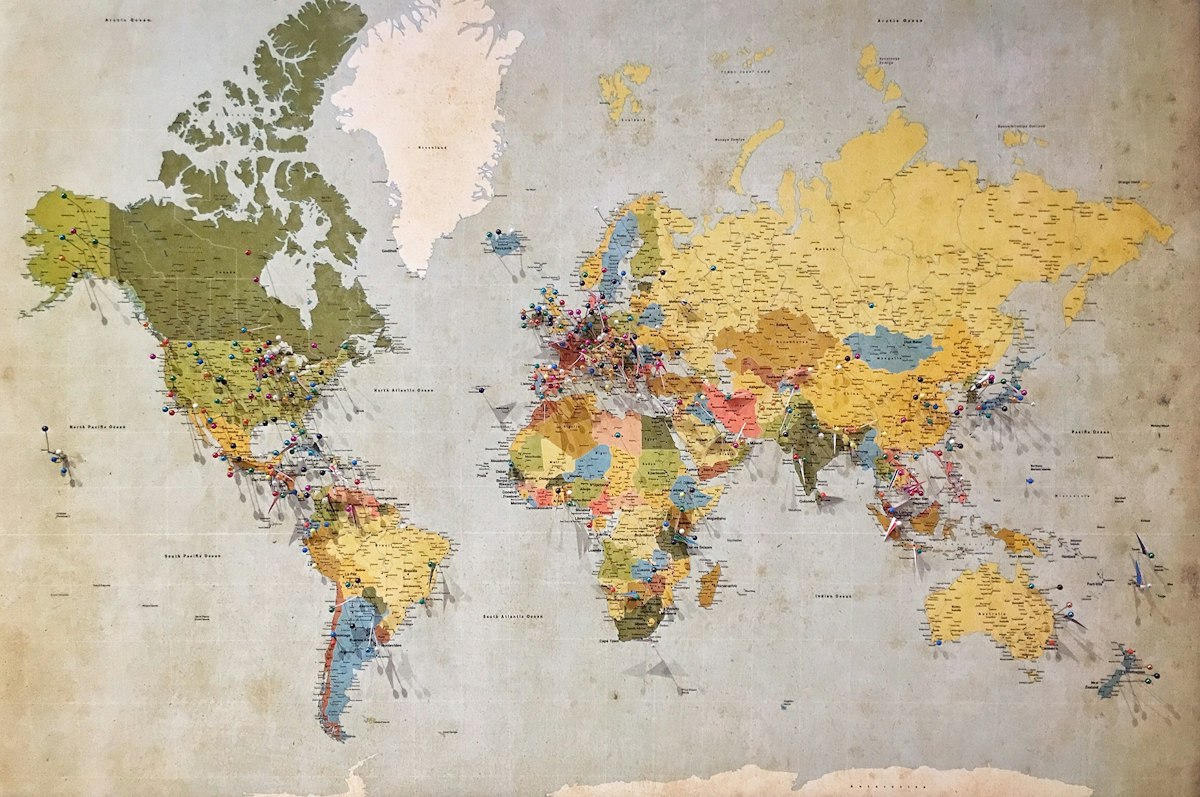
Not all lead generation is global. For the majority of businesses — local service providers, regional agencies, field sales teams, franchise operators, and local B2B suppliers — the relevant prospect universe is defined by geography as much as by category or company size. A commercial cleaning company in Manchester is not competing for clients in Munich. A dental software vendor in São Paulo serves a market defined by language, regulatory context, and time zone as much as by business size.
Hyper-local lead generation is the discipline of building prospect lists that are precise on geography — not just city-level, but neighborhood, district, or radius-from-location precision. It is what separates a field sales rep with a tight, efficient route from one who spends half their day driving between unrelated prospects. It is what gives a local service provider a competitive advantage over a national competitor who cannot offer the same responsiveness and proximity.
The tools to do this well have improved dramatically. What once required expensive territory mapping software and manual directory research can now be done in minutes with AI-powered tools that pull structured business data from Google Maps by category, location, and quality filters. This guide covers the strategy and workflow for building hyper-local lead lists that give you a genuine geographic edge.
Why Geography Is a Strategic Advantage in Local Sales
Local proximity is a genuine competitive differentiator — but only if you can articulate and demonstrate it. Mentioning "I work with businesses in the Shoreditch area" in outreach to a Shoreditch restaurant tells the owner that you know their neighborhood, understand their competitive context, and can provide the responsiveness that a supplier in another city cannot. That specificity builds trust before the first conversation begins.
Geography also enables reference selling. A rep who has already closed three restaurants in a specific district can mention them (with permission) when reaching out to a fourth. Social proof from nearby, known businesses carries disproportionate weight because the prospect can verify it and relate to it — "Oh, I know that restaurant. They use you?" is a faster path to credibility than any claim you can make about your own service.
The territory ownership mindset: The most effective local sales reps do not think of geography as a constraint — they think of it as territory they own. Within their territory, they know the clusters, the competitors, the seasonal patterns, and the relationship networks. That knowledge is built through systematic geographic prospecting and a deliberate commitment to depth over breadth.
Building a Hyper-Local Prospecting Strategy
Define Your Territory by Serving Radius, Not City Boundary
City boundaries are administrative, not commercial. A business selling same-day local services should define territory by realistic serving radius — the distance within which they can reliably deliver the service level they promise. For a field service company, that might be 15 kilometers. For an on-site agency, it might be 30 minutes of transit time. For a local supplier, it might be the postal codes they can reach in a single day's deliveries.
Defining territory by serving radius rather than city name produces more operationally coherent prospect lists and ensures you are not winning business you cannot effectively service. It also allows for more precise outreach — "I work with businesses within 10 kilometers of your location" is more compelling than "I serve the greater metro area" because it implies genuine proximity.
Segment Your Territory into Working Clusters
A large territory is more manageable when broken into geographic clusters — neighborhoods, business districts, postal code groups — that can be prospected systematically. Run separate lead collections for each cluster and build separate lists. This allows you to track your coverage (which clusters have you worked, which are untouched), focus outreach on one area at a time for density, and build the local knowledge that makes your pitch more credible within each cluster.

Segmenting territory into clusters makes large local markets systematically workable.
Sequence Clusters for Maximum Efficiency
For field sales teams, cluster sequencing determines route efficiency. Work all the prospects in cluster A before moving to cluster B — not because you have exhausted cluster A, but because concentrated effort in a small area allows for same-day callbacks, unscheduled drop-ins on interested prospects, and the density of presence that builds local reputation. Being known in a district is a cumulative effect of concentrated activity, not of scattered visits across a wide area.
Start with the highest-density commercial areas in your territory — main streets, business parks, restaurant rows, medical districts. These areas have the highest number of prospects per square kilometer, making your prospecting time most efficient. Once those clusters are worked, expand outward to lower-density zones with the social proof and reference clients you have built in the core.
The Data Advantage of Google Maps for Local Prospecting
Google Maps is uniquely suited for hyper-local prospecting because its data is inherently geographic — every business listing is anchored to a physical location, and search results can be filtered by distance from any point. This makes it possible to build prospect lists that are precise to the neighborhood level, something that national lead databases — which organize data by city or postal code region — cannot match.
The combination of category filter, geographic radius, and quality filters (rating, review count) allows a local prospector to generate a list in minutes that would have taken hours of manual directory research to compile a few years ago. And because the data reflects current business listings, it captures recently opened businesses that do not yet appear in purchased lead lists — a category of prospect that is often underserved and highly receptive to vendors who reach them early.
Local Context in Outreach: Making Geography Tangible
Geographic knowledge becomes a sales advantage only when it is visible in your outreach. The challenge is converting geographic data into specific, relevant context that resonates with the prospect. Here is how to do it:
- Reference nearby clients: "We work with several businesses on the same block as you, including [name with permission]." This is specific, verifiable, and establishes community credibility.
- Reference local market conditions: "The density of competition in this area means customer retention is especially critical — something we specialize in for local service businesses." Shows you understand their specific competitive environment.
- Reference local events or patterns: "Given the holiday markets coming to your area in December, we typically see businesses like yours increase transaction volume by 30–40%. We help make sure your systems are ready for that." Hyperlocal relevance that a non-local vendor cannot replicate.
These references should come from genuine local knowledge — which, in turn, comes from systematic local prospecting. The more deeply you work a territory, the more legitimate local knowledge you accumulate, and the more credible your local advantage becomes in every subsequent conversation.
Map Your Local Market with GrabNear
GrabNear collects and organizes local business leads by category and geography — giving you the precision prospect list to own your territory. Start with any neighborhood. Build from there.
Start for Free