Building a Google Maps Lead Pipeline: A Practical Guide for 2026

Google Maps contains over 200 million business listings worldwide, each packed with structured data that most salespeople never systematically use. Business name, address, phone number, website, category, operating hours, customer rating, number of reviews — this is not just directory information. It is a continuously updated database of every active business in the world, organized by geography and category, and freely searchable by anyone with the right tools.
For B2B sales teams, local service providers, and agencies targeting specific industries or regions, Google Maps is one of the richest and most current lead sources available. The challenge has always been collection and organization: browsing Google Maps manually is useful for finding one or two businesses, but building a pipeline of 200 qualified prospects from it has historically required hours of manual effort or expensive data brokers.
That has changed. In 2026, AI-powered lead collection tools can pull thousands of targeted business records from Google Maps in minutes, filter them by precise criteria, and deliver them directly into a CRM with all the data a sales rep needs to make the first contact. This guide walks through the full process — from search to pipeline — so you can build a lead generation workflow that runs in a fraction of the time traditional list-building required.
Why Google Maps Is Underused as a Lead Source
Most businesses think of Google Maps as a consumer navigation tool. That framing causes them to overlook it as a sales prospecting resource, even though its data is exactly what a B2B prospector needs: verified business identity, contact information, location, category classification, and social proof signals in the form of star ratings and review counts.
The data quality on Google Maps is also significantly higher than many paid lead databases. Google incentivizes businesses to maintain accurate profiles because incorrect listings hurt their local search visibility. That competitive pressure keeps the data fresh in a way that static, purchased databases — which can be 18 to 24 months out of date before they reach a buyer — simply cannot match.
For local and regional prospectors, the geographic precision is unmatched. Need all dental practices within 10 kilometers of a specific address, rated above 4.0 stars, with more than 50 reviews? Google Maps has that data. Traditional lead databases require you to filter by city or zip code and then manually verify locations. Google Maps gives you precise geographic coverage as a native search parameter.
Why freshness matters: A business that opened six months ago and has already accumulated 80+ Google reviews is an active, growing company — a prime prospect. Traditional purchased lead lists would not yet include this business. Google Maps reflects the market as it exists today, not as it existed when a data broker last refreshed their database.
What Data You Can collect from a Google Maps Lead
When you collect a business from Google Maps using a proper tool, you get a structured record that typically includes:
- Business name — the official registered business name as it appears on Google
- Category — primary business category (e.g., "dental clinic," "commercial cleaning service," "fitness center")
- Full address — street, city, state/region, country, postal code
- Phone number — the primary contact number listed on the business profile
- Website URL — direct link to the business's website if one is listed
- Google rating — star rating out of 5.0, reflecting aggregate customer experience
- Review count — total number of Google reviews, a proxy for business volume and tenure
- Operating hours — when the business is open, useful for timing outreach
- Google Maps URL — direct link to the business listing for quick verification
This is a complete contact and qualification record. A salesperson can take a Google Maps lead and make an informed, specific outreach attempt without touching any additional data source. The rating and review count alone give meaningful signals about business health, customer volume, and tenure in the market.
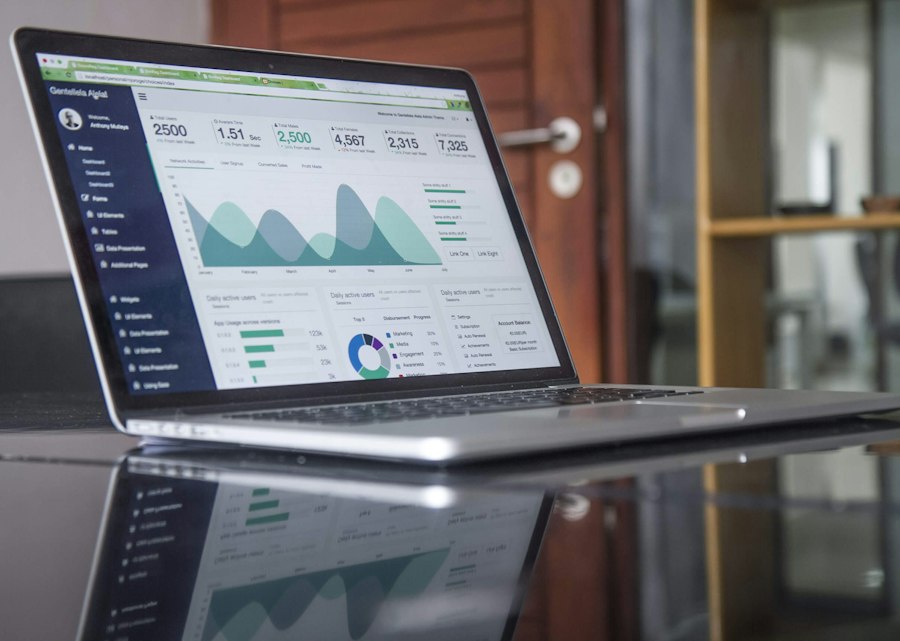
Structured data from Google Maps business profiles provides everything needed for qualified outreach.
Step-by-Step: Building a Targeted Lead List from Google Maps
Start with a specific business category and a geographic area. "Restaurants in Chicago" is too broad. "Italian restaurants in Chicago's River North neighborhood" is appropriately targeted. The more specific your category and location, the higher the relevance of your collected list. If you serve multiple geographies, build separate lists per location rather than one large combined search.
Most collection tools allow you to filter results by minimum rating (e.g., 4.0+) and minimum review count (e.g., 20+). Apply these filters before you build your list, not after. A business with 3 reviews and a 2-star rating is unlikely to be a strong prospect in most selling contexts. Filtering at the source keeps your list quality high and eliminates cleanup work downstream.
Run the collection and review the data structure. Confirm that phone numbers, websites, and addresses are present for the records that matter most to you. Some businesses omit contact details from their profile — flag those for manual follow-up or deprioritize them. The goal is to pass only verified, complete records into your CRM.
Do not let collected leads sit in a spreadsheet. Import them directly into your CRM — tagged with their source category, geographic filter, and the date they were collected. This ensures every lead is tracked from day one and that no outreach attempt falls through the gaps. Leads in a spreadsheet get stale and forgotten. Leads in a CRM get followed up.
Sort your CRM list by the factors most predictive of a good fit for your offering. For many sellers, rating and review count are the best initial sorting criteria: high-rated businesses with substantial review volume are operationally healthy and more likely to invest in services that help them grow. Start at the top of the sorted list and work down. Prioritization is free value collection from data you already have.
Filtering Strategies for Different Use Cases
The right filters depend on what you are selling and to whom. Here are proven approaches for common selling contexts:
Selling to Service Businesses (HVAC, Plumbing, Landscaping)
Filter for businesses with 30+ reviews and a rating of 4.2 or above. These are established operators with consistent customer flow — they have the revenue to invest in software, services, or supplies, and the scale to benefit from operational improvements. New businesses with fewer reviews may be interested but lack budget for discretionary vendor spend.
Selling to Hospitality (Restaurants, Hotels, Event Venues)
Use the review count as a volume proxy: 100+ reviews typically indicates a busy, actively managed business. Pair this with operating hours to time your outreach — reach out mid-morning on weekdays when owners and managers are available before the lunch rush.
Selling to Healthcare and Wellness
Filter for clinics, practices, and wellness businesses with high review counts (50+) and consistent 4.5+ ratings. Patient satisfaction scores on Google correlate with operational sophistication — these businesses are more likely to be open to tools that improve the patient experience or administrative efficiency.
Selling to Retail
For retail prospects, the website presence is particularly important. A retail business with a listed website is significantly more likely to be open to digital marketing, e-commerce, or software services than one operating with no web presence. Make this a required field, not a nice-to-have.
From List to Pipeline: Managing Google Maps Leads Through Your CRM
collection is the beginning, not the end. The businesses you pull from Google Maps become actionable pipeline when they are properly tracked, sequenced, and followed up. A lead that is collected and never contacted is just a waste of the time spent building the list.
Effective pipeline management for Google Maps leads involves three things: consistent tagging (so you always know where a lead came from and what segment it belongs to), a defined outreach sequence (so every lead gets a fair shot at being contacted), and a clear definition of what moves a lead from "new" to "qualified" to "closed."
The beauty of Google Maps as a source is that the data is inherently segmented — you build lists by category and geography, so your pipeline naturally organizes itself along those dimensions. Following up on all restaurant leads before moving to retail leads is a natural workflow that keeps outreach focused and coherent rather than scattered across unrelated verticals at the same time.
Build Your First Google Maps Lead Pipeline with GrabNear
GrabNear collects, filters, and organizes Google Maps business data into a fully functional lead pipeline — complete with contact info, ratings, and a built-in AI research assistant for every lead. Start building your list today.
Start for Free